Posts

How to Obtain a Geographical Indication (GI): A Step-by-Step Guide

Image
How to Obtain a Geographical Indication (GI): A Step-by-Step Guide A. Introduction  In a global marketplace driven by authenticity and tradition, Geographical Indications (GIs) serve as a powerful tool to protect the unique identity of regional products. Whether it's Darjeeling Tea, Banarasi Sarees, or Mysore Sandalwood, a GI not only acknowledges the origin of a product but also helps preserve cultural heritage and promote economic development for local communities. This article outlines the procedure for obtaining a Geographical Indication in India, as governed by the Geographical Indications of Goods (Registration and Protection) Act, 1999. B. What is a Geographical Indication (GI)? A Geographical Indication is a sign used on products that have a specific geographical origin and possess qualities, reputation, or characteristics essentially attributable to that location. It is typically used for agricultural products, handicrafts, industrial goods, or food items that are intrinsi...
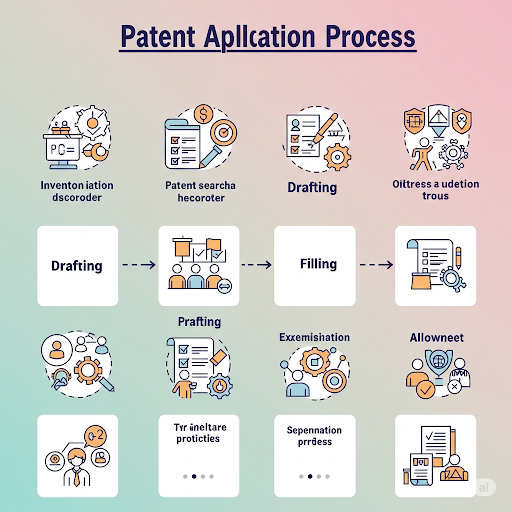
How to Obtain a Patent: A Step-by-Step Guide for Inventors and InnovatorsA. Introduction

Image
How to Obtain a Patent: A Step-by-Step Guide for Inventors and Innovators A. Introduction  Innovation is the driving force of progress in today’s economy, and protecting your innovative ideas is just as important as developing them. A patent provides inventors with an exclusive legal right to use, make, sell, or license their inventions for a specific period. It acts as a shield against unauthorized use by others and adds value to businesses, startups, and research-based enterprises. This article provides a step-by-step guide to understanding the patent registration process, with particular reference to Indian law (governed by the Patents Act, 1970), though the overall process is similar in many jurisdictions. B. What is a Patent? A patent is an exclusive right granted to an inventor for a novel invention that is capable of industrial application. It may be a product, process, machine, software, or technical improvement, provided it meets the statutory criteria. C. Eligibility Crit...

How to Obtain a Trademark: A Step-by-Step Guide

Image
How to Obtain a Trademark: A Step-by-Step Guide A. Introduction  In today's competitive commercial world, establishing a unique identity is critical. Whether you are launching a startup, managing a brand, or expanding a franchise, protecting your business identity is essential. One of the most effective ways to safeguard your brand is through trademark registration. A trademark not only distinguishes your goods or services from others in the market but also creates legal rights that can be enforced against misuse or infringement. This article outlines the systematic process of obtaining a trademark, particularly with reference to Indian law, though the general steps apply globally with minor jurisdictional variations. B. What is a Trademark? A trademark is a recognizable sign, symbol, word, logo, design, or expression that identifies and distinguishes the source of goods or services. Common examples include brand names like Nike, logos like the Apple icon, and taglines such as “Jus...

LAW FIRMS AND THE SUSTAINABLE DEVELOPMENT GOALS: ALIGNING LEGAL PRACTICE WITH GLOBAL SUSTAINABILITY— The Role of Legal Professionals in Advancing the 2030 Agenda

Image
LAW FIRMS AND THE SUSTAINABLE DEVELOPMENT GOALS: ALIGNING LEGAL PRACTICE WITH GLOBAL SUSTAINABILITY — The Role of Legal Professionals in Advancing the 2030 Agenda Abstract Law firms play a crucial role in facilitating sustainable business practices, corporate governance, and regulatory compliance aligned with the United Nations’ Sustainable Development Goals (SDGs). Beyond traditional legal advisory roles, firms are now expected to engage in climate law, human rights compliance, ESG litigation, sustainable finance, and policy advocacy. This article examines how law firms can integrate the 17 SDGs into their operations, client advisory services, and strategic vision while ensuring alignment with global sustainability frameworks such as the UN Global Compact, ESG regulations, and the Business Responsibility and Sustainability Reporting (BRSR) framework. I. Introduction: The Legal Industry’s Role in the SDG Era The 2030 Agenda for Sustainable Development, adopted by 193 UN member states, ...

LAW AND THE SUSTAINABLE DEVELOPMENT GOALS: ADVOCATING FOR JUSTICE, EQUITY, AND ACCOUNTABILITY

Image
LAW AND THE SUSTAINABLE DEVELOPMENT GOALS: ADVOCATING FOR JUSTICE, EQUITY, AND ACCOUNTABILITY — Reimagining the Legal Profession’s Role in the SDG Era Abstract The legal profession, as a cornerstone of governance and justice, holds a unique position in advancing the United Nations’ Sustainable Development Goals (SDGs). This article explores how law firms, in-house counsel, and legal institutions are aligning their practices with the SDGs through advocacy, compliance, and innovation. By focusing on SDG 16 (Peace, Justice, and Strong Institutions) as a linchpin, the legal sector is driving systemic change in areas such as climate litigation, gender equality, corporate accountability, and access to justice. Challenges like ethical dilemmas, regulatory fragmentation, and greenwashing risks are examined alongside opportunities for cross-sector collaboration and purpose-driven legal practice. I. Introduction The 2030 Agenda for Sustainable Development underscores the rule of law as critical ...

Reforming Waqf Governance: An Analysis of the Waqf (Amendment) Bill, 2024

Image
Reforming Waqf Governance: An Analysis of the Waqf (Amendment) Bill, 2024 The Parliament of India has recently enacted the Waqf (Amendment) Bill, 2024, bringing about a comprehensive overhaul to the existing framework governing waqf properties. The Bill amends the Waqf Act, 1995, with the stated objectives of enhancing transparency, ensuring inclusivity, and aligning waqf administration with contemporary legal and digital standards. However, the changes have stirred both support and criticism across legal, political, and religious spectrums. This article analyses the key amendments and compares them with the erstwhile provisions to evaluate the implications of the reform. A. Old vs. New Provisions 1. Creation of Waqf a. Old:  Allowed oral waqf declarations and recognized "waqf by user (long-term use for religious purposes).  b. New:  Requires formal written waqfnama, removes recognition of "waqf by user unless already registered. Only practicing Muslims for at least 5 yea...

Role of a Criminal Attorney for the Accused, Complainants, and Convicts

Image
Role of a Criminal Attorney for the Accused, Complainants, and Convicts A criminal attorney plays a pivotal role in the legal system, ensuring justice is served at every stage of a criminal proceeding. Their responsibilities differ based on whom they represent—the accused, the complainant (victim), or the convict. The principles of criminal justice revolve around: A. Fair trial and defense rights for the accused B. Justice and protection for the complainant (victim) C. Post-conviction rights and rehabilitation for convicts A. Role of a Criminal Attorney for the Accused (Defense Lawyer) The Indian Constitution and criminal laws ensure that an accused person is presumed innocent until proven guilty. A criminal defense attorney safeguards this principle by providing legal representation and challenging the prosecution’s case. Key Responsibilities: a. Legal Representation: Representing the accused at all stages—pre-trial, trial, appeal, and post-conviction. Ensuring the accused’s right to ...